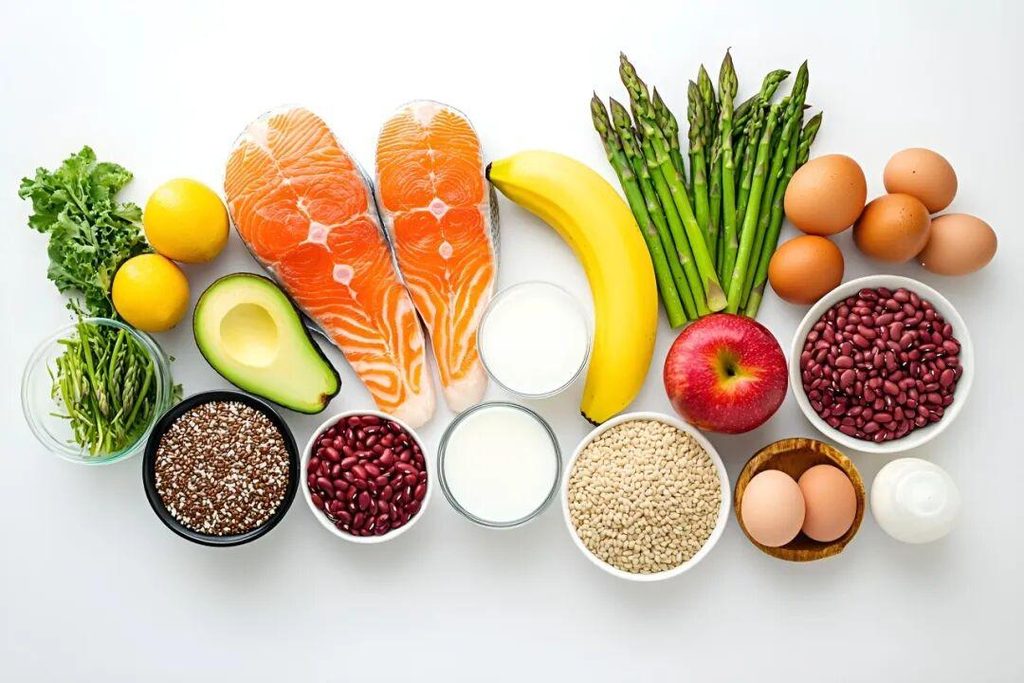
🥗 10 Healthy Foods You Should Eat Every Day
A healthy diet doesn’t need to be complicated. Eating a variety of nutritious foods every day can provide your body with essential protein, fiber, vitamins, minerals, healthy fats, and other important nutrients.
Here are 10 healthy foods you should consider adding to your daily diet.
1. 🥚 Eggs
Eggs are an affordable and convenient source of high-quality protein. They also contain nutrients such as vitamin B12, choline, selenium, and vitamin D.
Enjoy boiled, scrambled, or cooked eggs with vegetables for a nutritious breakfast.
2. 🍎 Apples
Apples are rich in fiber and vitamin C and make an easy, convenient snack. Their fiber can help support healthy digestion and help you feel full.
Try eating an apple instead of sugary snacks.
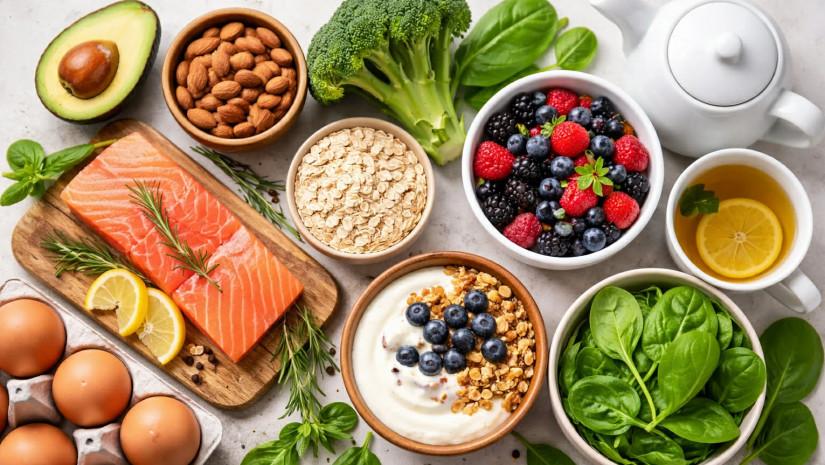
3. 🥬 Green Leafy Vegetables
Spinach, kale, lettuce, mustard greens, and other leafy vegetables provide vitamins, minerals, fiber, and antioxidants.
Add them to salads, soups, sandwiches, or cooked meals.
4. 🥣 Oats
Oats are a nutritious whole grain and a good source of fiber. They contain beta-glucan, a type of soluble fiber associated with heart-health benefits.
Try oatmeal topped with fruit, nuts, or seeds for breakfast.
5. 🥜 Nuts
Almonds, walnuts, pistachios, and other nuts provide protein, fiber, healthy fats, vitamins, and minerals.
A small handful can make a satisfying snack. Choose unsalted nuts when possible.
6. 🥛 Yogurt
Plain yogurt provides protein and calcium. Yogurt with live cultures can also be a useful part of a diet that supports a healthy gut microbiome.
Choose varieties with little or no added sugar and add fresh fruit for natural sweetness.
7. 🐟 Fatty Fish
Salmon, sardines, and mackerel provide high-quality protein and omega-3 fatty acids.
If you eat fish, including fatty fish regularly can be a nutritious part of a balanced diet.
8. 🫘 Beans and Lentils
Beans, chickpeas, kidney beans, and lentils are excellent sources of plant-based protein and fiber. They also provide nutrients such as iron, folate, and potassium.
For South Asian meals, dal, chana, rajma, and lobia are delicious ways to include legumes in your diet.
9. 🍌 Bananas
Bananas are naturally sweet and provide carbohydrates, fiber, and potassium. They are an easy snack when you need something quick and filling.
Add sliced banana to oatmeal or yogurt for an easy healthy meal.
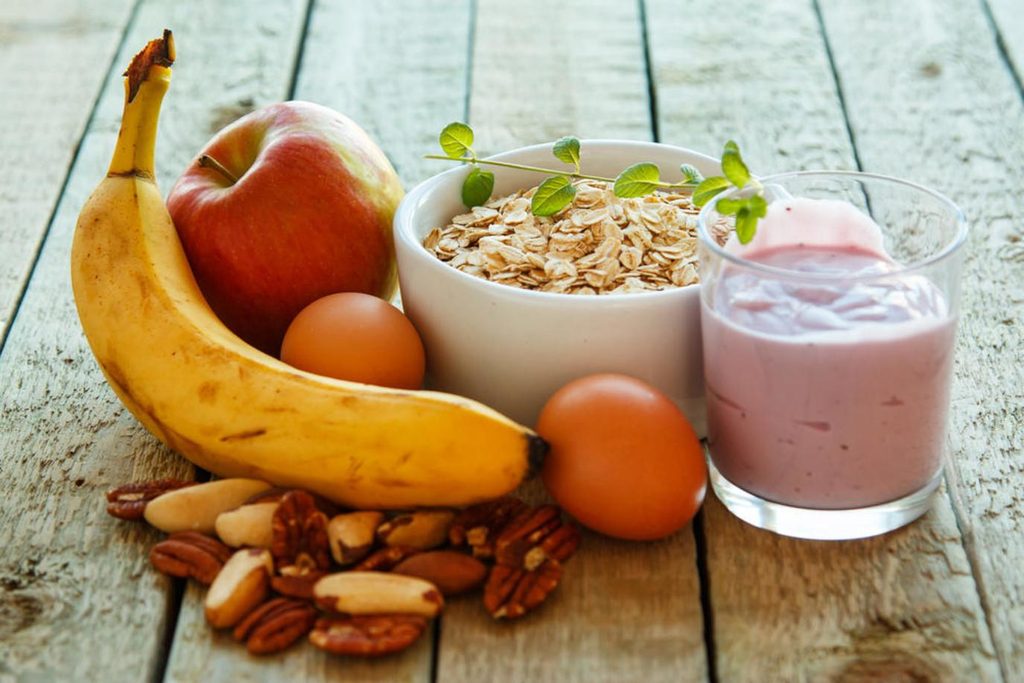
10. 🥑 Avocados
Avocados provide fiber and mostly unsaturated fats, as well as nutrients such as potassium and folate.
Add avocado to salads, sandwiches, whole-grain toast, or wraps.
🌱 How to Build a Healthy Daily Diet
The most important thing is variety and balance rather than eating exactly the same foods every day.
A simple healthy meal plan could look like this:
Breakfast: Oatmeal with banana, nuts, and yogurt
Lunch: Dal or chickpeas with vegetables and whole grains
Snack: Apple with a small handful of almonds
Dinner: Fish with leafy greens and other vegetables
Drinks: Water and other unsweetened beverages
⚖️ Remember: Balance Matters
Healthy foods are only one part of a healthy lifestyle. Try to limit excessive amounts of highly processed foods, added sugars, excess salt, and unhealthy fats.
You don’t need a perfect diet. Making nutritious choices consistently is more important than following strict food rules.
❤️ Final Thoughts
Adding nutritious foods such as eggs, apples, leafy greens, oats, nuts, yogurt, fatty fish, beans, bananas, and avocados can help you build a balanced eating pattern.
Remember, everyone’s nutritional needs are different. The right diet depends on factors such as age, activity level, dietary preferences, allergies, and individual health needs.
Healthy eating isn’t about perfection—it’s about making better choices consistently and giving your body the nutrients it needs.
🌈 Why Variety Is So Important
No single food can provide every nutrient your body needs. That’s why variety is one of the most important principles of healthy eating.
Instead of focusing on one “superfood,” try eating different foods throughout the week.
For example, you could combine:
Protein: Eggs, fish, beans, lentils, yogurt
Fruits: Apples, bananas, oranges, berries, mangoes
Vegetables: Spinach, carrots, tomatoes, broccoli, cucumber
Whole grains: Oats, brown rice, whole-grain bread, whole-wheat roti
Healthy fats: Nuts, seeds, avocado, and suitable cooking oils
This approach gives your diet greater nutritional variety.
🍽️ Example of a Healthy Day of Eating
You don’t have to follow a complicated meal plan. A simple day could look like this:
🌅 Breakfast
Oatmeal topped with banana, a few nuts, and plain yogurt.
☀️ Mid-Morning Snack
An apple with a small handful of unsalted almonds.
🍛 Lunch
Dal or chickpeas with vegetables and whole-wheat roti or another whole grain.
🌇 Afternoon Snack
Plain yogurt with fresh fruit.
🌙 Dinner
Grilled or baked fish with leafy vegetables and other vegetables.
💧 Throughout the Day
Drink water regularly according to your thirst and individual needs.
🥤 Don’t Forget About Drinks
Healthy eating isn’t only about food. What you drink can also make a significant difference to your overall diet.
Water is generally the simplest choice for staying hydrated.
Try to limit frequent consumption of drinks that contain large amounts of added sugar, such as:
- Sugary soft drinks
- Sweetened juices
- Energy drinks
- Very sugary tea or coffee
If you enjoy tea or coffee, consider reducing the amount of added sugar rather than suddenly eliminating them.
🚫 Foods to Limit
A healthy diet doesn’t mean you can never eat your favorite foods. Instead, foods high in added sugar, excess salt, and unhealthy fats are generally better enjoyed less often and in smaller amounts.
Try to limit excessive consumption of:
- Highly processed snacks
- Sugary desserts
- Sweetened drinks
- Deep-fried foods
- Highly salty foods
- Processed meats
- Foods with excessive added sugar
The occasional treat can fit into an otherwise balanced eating pattern.
💪 Healthy Food and Physical Activity
Food and exercise work together as part of a healthy lifestyle.
Regular physical activity can help support muscle strength, cardiovascular fitness, mobility, and overall health.
A balanced meal containing protein, carbohydrates, and vegetables can provide useful nutrition around an active lifestyle.
For example, after physical activity, a meal containing eggs, yogurt, fish, beans, or lentils can provide protein, while fruits and whole grains can provide carbohydrates.
🧠 Healthy Eating Is About Consistency
Many people try to completely change their diet overnight. This can be difficult to maintain.
Instead, make small changes.
For example:
Week 1: Add one serving of fruit each day.
Week 2: Add more vegetables to lunch and dinner.
Week 3: Replace some refined grains with whole grains.
Week 4: Replace sugary snacks with fruit, yogurt, or nuts more often.
Small, sustainable improvements can be easier to maintain than extreme diets.
⚖️ Portion Size Still Matters
Even nutritious foods should be eaten in appropriate amounts.
For example, nuts and avocados contain beneficial nutrients but are also relatively high in calories. Similarly, eating very large portions of any food can contribute more calories than your body needs.
A balanced plate can include:
- Plenty of vegetables
- A source of protein
- A serving of whole grains or other carbohydrate-rich food
- A moderate amount of healthy fat
- Fruit as desired
Your individual needs will depend on factors such as age, activity level, body size, dietary preferences, and health circumstances.
🛒 Healthy Grocery Shopping Tips
Healthy eating starts at the grocery store.
Before shopping, make a simple list containing:
Fruits
Apples, bananas, oranges, seasonal fruits, and berries.
Vegetables
Spinach, tomatoes, carrots, cucumbers, broccoli, and other seasonal vegetables.
Protein
Eggs, yogurt, fish, beans, chickpeas, and lentils.
Whole grains
Oats, whole-wheat bread, brown rice, or whole-wheat roti.
Healthy fats
Unsalted nuts, seeds, avocado, and suitable cooking oils.
Buying mostly basic, minimally processed ingredients can make it easier to prepare nutritious meals at home.
🌱 What About Superfoods?
You may see advertisements claiming that one particular food can dramatically improve your health. In reality, healthy eating is not about finding one magical food.
There is no single food that can provide everything your body needs.
A balanced dietary pattern containing many different foods is much more important than focusing on one “superfood.”
❤️ Final Thoughts
Healthy eating doesn’t have to be expensive, boring, or complicated.
Foods such as eggs, apples, leafy vegetables, oats, nuts, yogurt, fatty fish, beans, bananas, and avocados can all be nutritious additions to a balanced diet.
The most important thing is to focus on variety, balance, moderation, and consistency.
Start with small changes. Add an extra serving of vegetables, choose fruit instead of a sugary snack, include beans or lentils in your meals, and drink more water.
You don’t need to have a perfect diet every day.
The goal is to make healthy choices more often and build eating habits that you can maintain for years to come.
🥗 Eat a variety of nutritious foods, stay active, drink enough water, and enjoy your food in moderation. Your everyday choices can make a meaningful difference to your overall well-being.